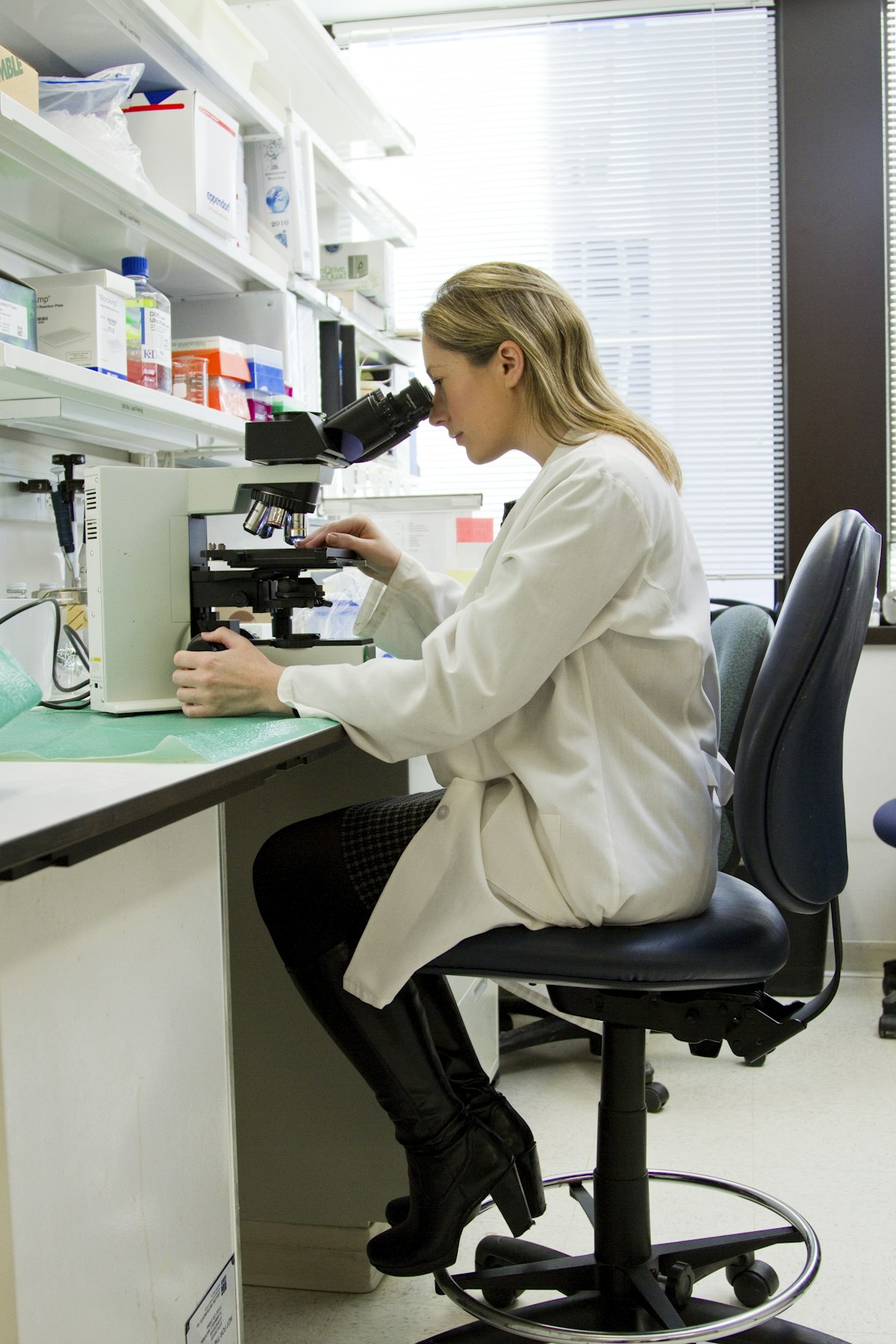
Pathology still starts with tissue on glass. What is changing is what happens after the stain: scanners turn slides into images, and AI sits in the same software pathologists use to review them.
MedStar Health’s multi-year deployment of PathAI’s AISight Dx platform is a concrete example. The system is a cloud-native image management stack for laboratory workflow — viewing, collaboration, enterprise-scale slide handling — with AI applications such as ArtifactDetect and TumorDetect layered in for labs supporting more than forty pathologists across the network. That is not a single-site experiment. It is digital pathology as operations infrastructure for a multi-hospital outreach business that needs speed and consistency without giving up clinical judgment.
The applied science is computer vision under lab constraints: stain variation, artifacts, throughput, and the requirement that a human still signs out the case. AI that only works on curated challenge datasets is a paper. AI that runs in the image management system where the work already happens is a product.
For appliedscience.com, the story is the quiet digitization of one of medicine’s most analog crafts — and why “slide in the tray” is becoming “case in the viewer.”